



Types of biodegradable packaging materials and how to use them
A report released by OCEANA, an international ocean conservation organization, in December 2022 revealed that Amazon, the global retail giant, produced approximately 709 million pounds of plastic packaging waste in 2021—an 18% increase from the previous year. With consumer purchasing power on the rise, this number is expected to grow annually. Beyond retail, plastic packaging is also extensively used across the manufacturing, food, and catering industries. According to data from the Organisation for Economic Co-operation and Development (OECD), global plastic waste more than doubled between 2000 and 2019. Nearly two-thirds of this plastic had a lifespan of less than five years, and 40% was attributed to packaging—an essential part of daily life. Much of this waste ends up being incinerated, buried in landfills, or discarded into the environment, contributing to a mounting ecological crisis. In response, there is a growing movement toward reducing plastic use and transitioning to eco-friendly packaging alternatives. This article explores the key features of eco-friendly packaging, highlights current and emerging types, and provides a practical guide for businesses looking to adopt sustainable packaging solutions as a replacement for plastic.
What Is Eco-Friendly Packaging?
Eco-friendly packaging refers to packaging solutions that are more sustainable and environmentally responsible than traditional options. These materials are designed to reduce pollution, support waste reduction, and promote a circular economy. Several types of eco-friendly packaging are commonly used today, each with specific characteristics and subcategories:
Biodegradable Packaging: This type of packaging can naturally decompose after use through the action of microorganisms, breaking down into water, carbon dioxide, and nutrients that safely return to the environment.
Reusable Packaging: Designed with durability in mind, reusable packaging is made from thicker, sturdier materials that allow it to be used multiple times, extending its lifespan and reducing single-use waste.
Recycled Packaging: Made from previously used plastics—such as PET bottles and old packaging—recycled packaging helps reduce the demand for virgin materials. However, because plastic degrades with each recycling cycle, new plastic often needs to be added to maintain product integrity.
Biomass Packaging: This packaging is made from renewable plant-based materials like cornstarch, wheat straw, bagasse (sugarcane residue), and wood. These sustainable sources offer a greener alternative to conventional plastic packaging.
Why Should Businesses Choose Eco-Friendly Packaging?
Packaging plays a vital role in the operations of many businesses—from protecting products during transportation to enhancing the consumer experience at the point of sale. However, the widespread use of traditional packaging, particularly petroleum-based plastics, has serious environmental consequences. These include contributing to climate change, generating vast amounts of waste, and polluting oceans with microplastics. As awareness of these issues grows, the need for sustainable alternatives becomes more urgent.
Adopting eco-friendly packaging is a practical step businesses can take to reduce their environmental impact. It supports progress toward Sustainable Development Goal 12 (SDG 12): Responsible Consumption and Production. Additionally, packaging waste management is increasingly recognized as a key Environmental, Social, and Governance (ESG) concern. By switching to eco-friendly packaging, companies can improve their ESG performance—particularly in areas like greenhouse gas (GHG) emissions and waste reduction—enhancing their sustainability ratings and demonstrating corporate responsibility.
What Is Biodegradable Packaging?
Biodegradable packaging is made from materials that can be naturally broken down by microorganisms after use. These materials decompose into water, carbon dioxide, and other organic matter within a few months, depending on environmental conditions. Due to its ability to degrade quickly and safely, biodegradable packaging is commonly used for single-use applications such as packaging for fresh produce, beverages, and takeout food.
What Materials Are Used in Biodegradable Packaging?
Unlike conventional plastic, which can take hundreds of years to decompose, biodegradable packaging is typically made from renewable, fast-degrading materials. Common examples include paper, cornstarch, seaweed, and mycelium (a fungal material). These materials not only break down more easily but also come from sustainable sources, making them a greener choice for packaging solutions.
Types of Biodegradable Packaging
Corrugated Boxes
Corrugated boxes are among the most widely used biodegradable packaging materials. When untreated, they soften and break down naturally when exposed to moisture. If kept free from contaminants like oil or chemicals, these boxes can be reused multiple times and eventually recycled into new boxes. However, since paper is sourced from wood, it’s important to ensure the use of sustainably harvested materials. Boxes certified by the Forest Stewardship Council® (FSC®) guarantee responsible sourcing. Minimizing printing and avoiding waterproof plastic coatings also enhance their decomposability and recyclability.Bagasse Bags
Made from the fibrous residue left after sugarcane is processed, bagasse bags are lightweight, water-resistant, and compostable at home. Their food-safe properties make them ideal for packaging meals and kitchen scraps. Once used, these bags can be buried in soil to naturally decompose and enrich the earth.Kraft Paper Bags
Kraft paper bags are made from wood pulp and are commonly used for packaging bread, garments, and documents. These bags are non-toxic, odorless, and biodegradable, offering a clean, high-quality look suitable for retail. However, some variants include a plastic (polypropylene) lining to make them waterproof—rendering them non-biodegradable. To maintain sustainability, it’s important to choose kraft paper sourced from responsibly managed forests.Polylactide (PLA) Bags
PLA bags are made primarily from cornstarch and resemble conventional plastic in look and feel. They are cost-effective and backed by mature production technology. However, their sensitivity to heat and light limits their use in industrial packaging. PLA bags are better suited for lighter applications such as shopping, bakery items, and magazines.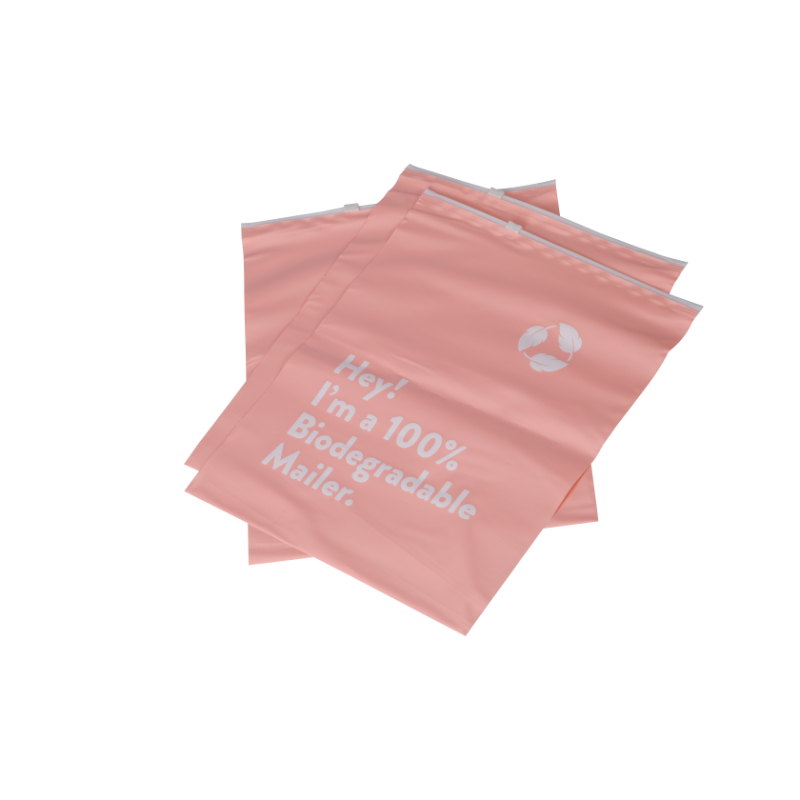
Bagasse Food Containers
These containers are also made from sugarcane fiber and are both waterproof and oil-resistant without requiring chemical coatings. Free from harmful substances like PFAS, bleach, or fluorescent agents, bagasse containers are safe for holding hot or greasy foods such as burgers, fries, and pasta. They can even be used for storing fresh produce and meats. After use, they can be composted directly in soil—no washing required.Edible Seaweed Film
Edible seaweed film is made from sodium alginate, a natural compound found in seaweed. It forms a thin, edible membrane around liquids, making it ideal for single-use beverage spheres at events. The film breaks down naturally within days if not consumed, offering an innovative and eco-safe packaging solution.Bagasse Cups
These biodegradable cups offer an eco-friendly alternative to disposable plastic or coated paper cups. Crafted from bagasse, they can withstand temperatures up to 90°C, making them suitable for coffee, tea, or water. While reusable, they eventually degrade within a year, breaking down into organic matter that can store carbon dioxide in the soil.Burlap Sacks
Woven from jute, a natural plant fiber, burlap sacks are breathable and biodegradable. After use, they can be buried near newly planted trees, serving as a drainage and organic enrichment layer. They are versatile and commonly used for packaging grains, coffee beans, or even as reusable shopping bags or backpacks.Biodegradable Packing Peanuts
Unlike traditional polystyrene peanuts, biodegradable packing peanuts are made from plant starch and dissolve in water within minutes. They are non-toxic, environmentally safe, and even digestible by wildlife. These eco-friendly fillers are perfect for cushioning fragile goods like electronics during shipment.
Is Biodegradable Packaging Suitable for Food Packaging?
Yes, biodegradable packaging is highly suitable for food packaging. Traditional plastic packaging often presents challenges during disposal—food residues can lead to unpleasant odors, and thorough cleaning (especially removal of oils) is required before recycling, which lowers its overall recycling rate. Additionally, reusing plastic food packaging raises hygiene and safety concerns. In contrast, biodegradable packaging offers a more sustainable solution. It can typically be composted along with leftover food scraps, either at home or in community composting facilities, making disposal easier and promoting a circular economy.